
Average ticket size of an apartment show a considerable drop in Mumbai. However, the ticket size witnessed an increase in Thane.
By Varun Singh
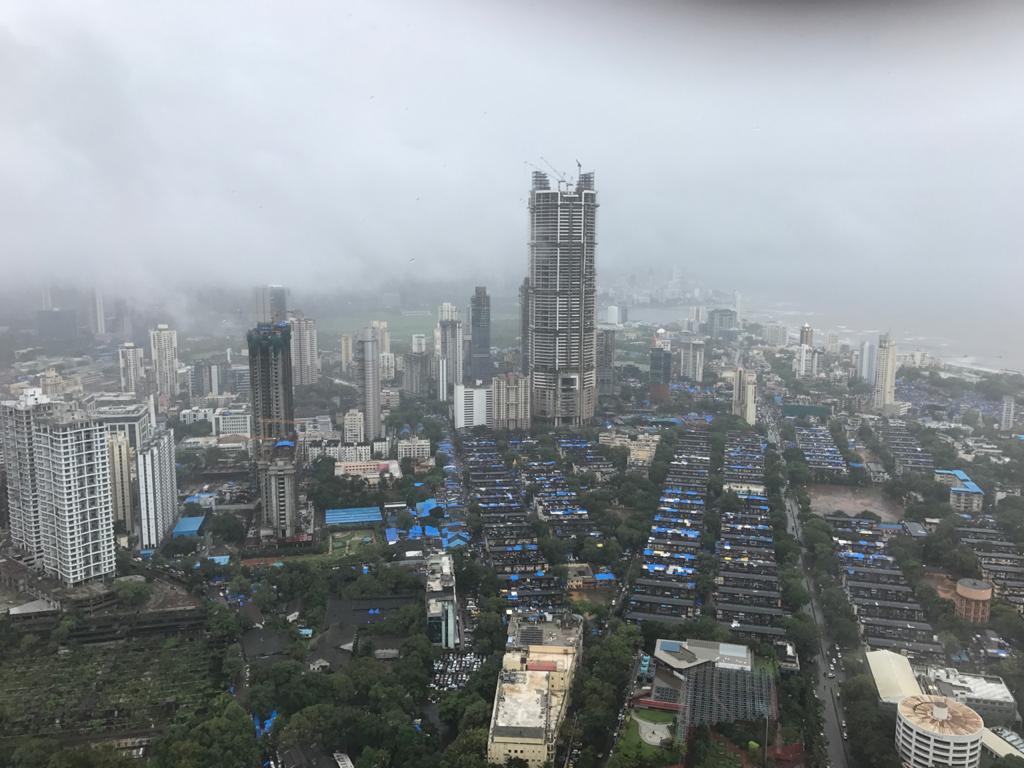
Mumbai and Thane are two prime regions of Real Estate. It is these two markets that easily holds key to the heart of state’s real estate industry.
A recent report on the pre Covid and during COVID real estate status of Mumbai and Thane has shown some startling figures.
For example in Mumbai, between January to December 2019 (pre Covid) a total of 48,629 units were sold.
This came down to 45,598 units between January to December 2020 (Covid Year).
In Thane, during pre Covid year the sales stood at 97,577 units while during Covid year it came down to 71,797 units.
The number of new units launched in Mumbai during the pre Covid year stood at 23,991. During Covid year it came down to 21,980.
While in Thane the new units launched during Covid year was 58,778 and in the pre Covid year it was 60,578 units.
The average unit size in Thane dropped from 459 square feet during pre Covid year to 429 square feet during Covid year.
In Mumbai the average unit size reduced from 626.2 square feet in the pre Covid year to 592.7 square feet during the Covd year.
According to a report released by CRE Matrix, the average ticket size in Thane and Mumbai showed a contrast.
In Mumbai the average ticket size during pre Covid year was Rs 1.5 crore, and it came down to Rs 1.3 crore in the Covid year.
Average ticket size in Thane during the pre Covid year was Rs 47 lakh. The average ticket size grew to Rs 48 lakh during the Covid year.