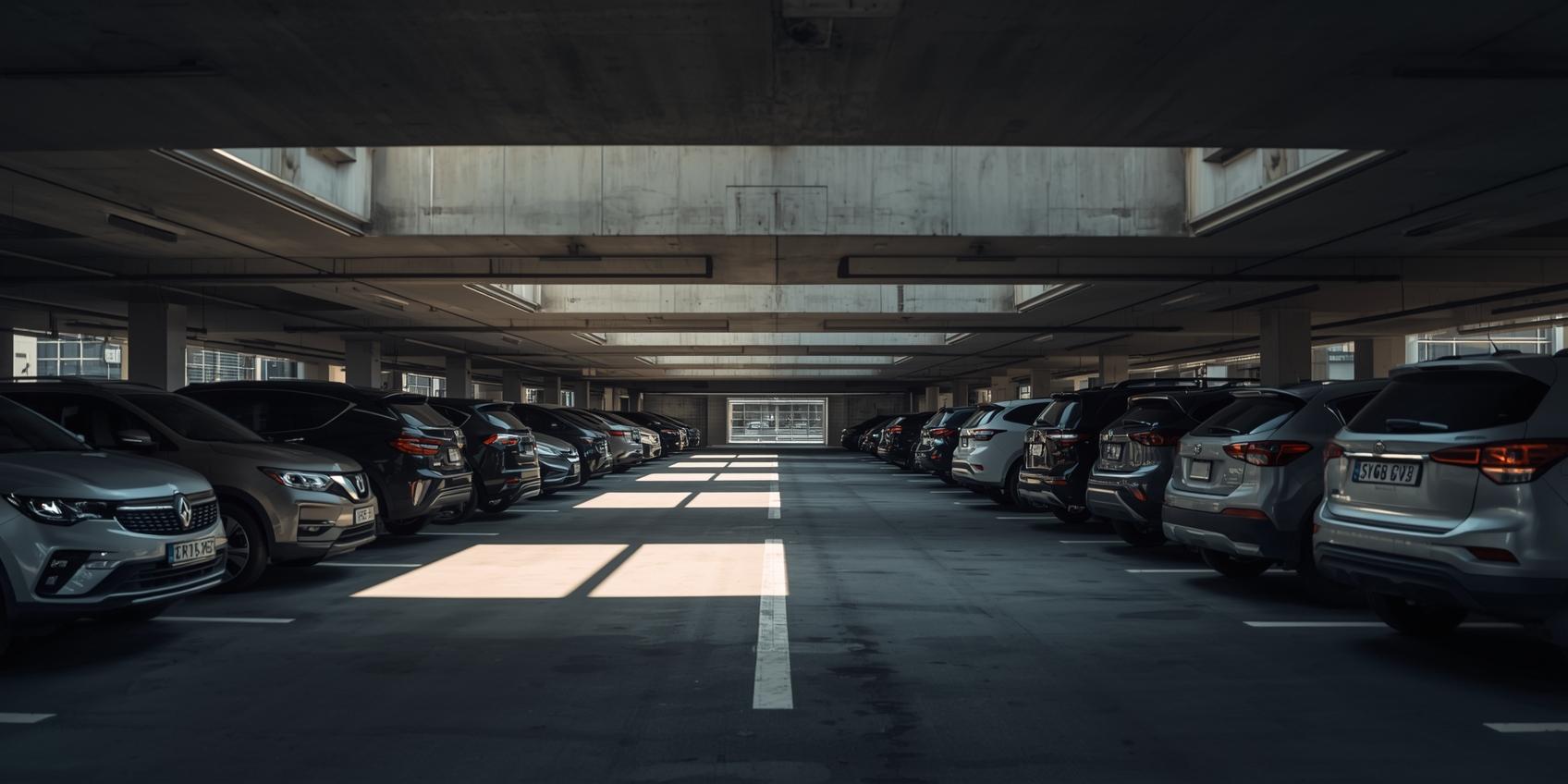

For years, homebuyers across Maharashtra have been confused — Can developers legally sell parking? If yes, which kind of parking? And what are a homebuyer’s rights?
Although MahaRERA issued a detailed clarification back in 2021, many buyers still remain unaware of what the law actually says. This article breaks down those rules in simple terms.
Open Parking Cannot Be Sold — It Is a Common Area
Under the Real Estate (Regulation and Development) Act, 2016, and the Maharashtra Rules:
- Open Parking Area is legally classified as part of the “Common Areas” of a project.
- Anything included in “Common Areas” must be handed over to the housing society/association of allottees once the Occupancy Certificate (OC) is obtained.
- Because it is a common area, a builder cannot sell or allot open parking for money, even if many builders try to do so.
▶ Bottom line:
💡 Open parking CANNOT be sold. It is illegal for a promoter to charge for it.
Covered Parking CAN Be Sold
MahaRERA allows sale of covered parking, as defined in the 2017 Maharashtra Real Estate Rules.
Covered parking includes:
- Stilt parking
- Podium covered parking
- Any parking area with a roof and three sides covered
- Any space clearly shown in approved plans as “covered parking”
But for selling it legally, the developer must:
- Clearly mention the number, size and type of covered parking in the Agreement for Sale.
- Attach a layout plan of the exact location of the allotted parking.
- Mark and number the parking at the site.
▶ Bottom line:
💡 Covered parking CAN be sold — but only if it is clearly shown in sanctioned plans and properly allotted.
Garage Parking Can Also Be Sold
A “garage” is separately defined under the Act.
A garage must:
- Have a roof
- Have walls on three sides
- Be big enough to park a vehicle
- Be shown as a garage in the approved building plans
This can be legally sold as a separate saleable unit, just like covered parking.
▶ Bottom line:
💡 Garage = saleable. Must be formally shown as a garage in plans.
Why This Distinction Matters for Homebuyers
Many homebuyers end up paying for “parking” without knowing whether it is legally saleable.
Builders have often:
- Charged for open parking
- Allotted random or unnumbered parking spaces
- Modified parking layouts without disclosure
- Allotted parking on a “first-come-first-serve basis” without transparency
Thanks to MahaRERA’s 2021 clarification:
- Homebuyers cannot be forced to pay for open parking.
- They must be informed clearly about covered or garage parking before signing the agreement.
- The location and number of their parking slot must be marked both in the project layout and in the Agreement for Sale.
How Homebuyers Can Protect Their Rights
Before buying a flat:
✔ Check the MahaRERA registration of the project
Ensure the builder has declared parking numbers and type of each parking area.
✔ Verify whether the parking area is open, covered, or a garage
Ask for sanctioned plans approved by the municipal authority.
✔ Ensure parking details are mentioned in your Agreement for Sale
Do not rely on verbal assurances.
✔ Check if the price charged matches the parking type
- Open parking — ₹0 (cannot be sold)
- Covered parking — saleable
- Garage — saleable
Conclusion
The law is very clear:
Homebuyers cannot be charged for open parking, but developers are allowed to sell covered parking and garages—as long as all details are transparent and officially approved.
For buyers in Mumbai, Pune, Thane and other cities where parking is often a major point of conflict, understanding these distinctions can prevent disputes, overcharging, and unfair practices.