
The overall construction cost in the country will experience an average increase of 6% across various sectors in the Financial Year (FY) 2024, according to JLL’s latest Construction Cost Guide released recently.
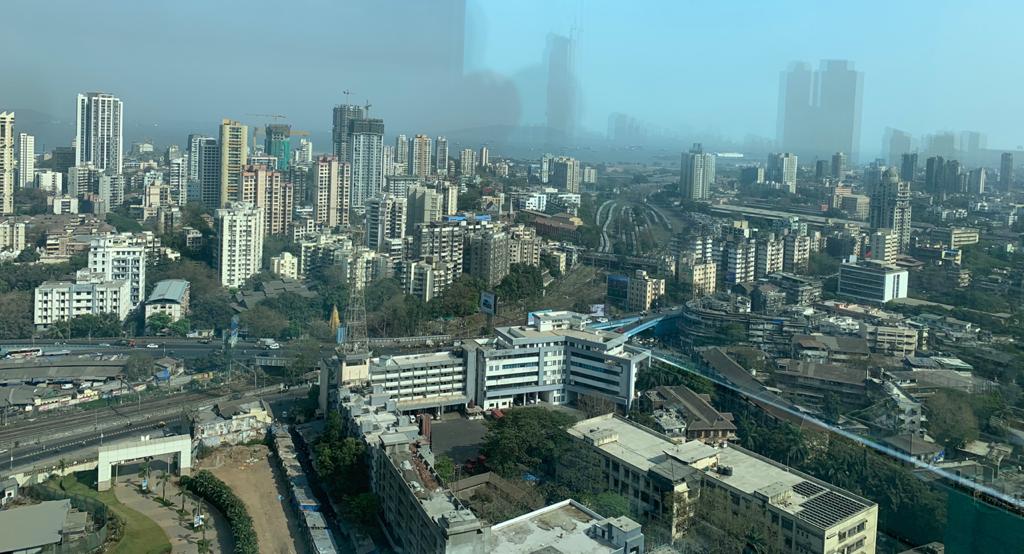
Among the cities, Mumbai continues to be the most expensive city with costs higher while Chennai offers a more cost-effective option. The higher costs in Mumbai can be attributed to the increased prices of essential construction materials like cement, reinforcement steel, structural steel, and stones. The guidebook provides valuable insights into market trends and construction costs of real estate assets in major Indian markets. It includes a cost matrix that represents different styles and quality levels, along with an analysis of market trends for major building materials.
Jipu Jose James, Managing Director, Project Development Services (PDS), JLL India said “Businesses today are reassessing their real estate choices to optimize spending. While the exact impact of the pandemic on construction cost is still a topic of discussion, the general trend is evident – construction cost is on the rise. As a result, customer expenditure is expected to prioritize aspects that enhance the end-user experience. Understanding and effectively managing cost are crucial in maintaining budget control and delivering economically viable, high-quality projects.”
Confidently looking ahead, he expressed strong belief in the growth of construction activity in India.
Labour cost to go up
While various factors influence the cost of construction in India, labour emerges as a critical driver of economic growth too. Hence, as construction expands into non-metropolitan and rural areas, the supply-demand gap is narrowing, resulting in a more stable labour market and reduced wage disparities. Presently, labour rates are experiencing an average annual increase of 6% over the past three years, impacting construction cost by roughly 2%. The industry heavily relies on its workforce as evidenced by its expansion to approximately 71 million employees in FY2023, up from 63.98 million the previous year, owing to urbanization and growing infrastructure demands. However, this growth is primarily observed in unskilled labor, exacerbating the shortage of skilled workers. The deficiency of vocational training institutions further impedes skill development.
Looking ahead
Evidently, construction cost is anticipated to experience a global increase in the coming year. Even in the face of uncertainties, opportunities for industry transformation persist. The construction and real estate sectors remain focused on sustainability, digitization, and adaptability, shaping their future. By investing in enhanced agility and efficiency, lasting value can be created beyond 2024.
Anticipating increased government investment in infrastructure, urbanization, and real estate, as well as the expansion of data centers and the semiconductor industry. However, caution is warranted as investors navigate the upcoming countrywide elections in 2024. On a positive note, the potential of digital technologies to reduce project cost and generate added value shines bright.
Also Read: Prices of under-construction projects increase 30.6% YoY across top 13 cities