
The Maharashtra government has introduced stricter guidelines for granting administrative approvals to infrastructure and construction projects, aiming to curb cost overruns and ensure better financial discipline.
The Planning Department, through a Government Resolution dated June 5, 2026, has mandated that all new and revised project proposals must be evaluated against the department’s actual expenditure over the past three financial years. The move comes amid concerns that several departments have been undertaking projects far exceeding their budgetary capacity, leading to delays and rising costs.
Under the new norms, departments must assess the total financial liability of ongoing projects along with proposed new ones. If the combined cost remains within twice the average annual expenditure of the past three years, approvals can proceed through the existing process.
However, if the total liability exceeds this threshold, the proposal must be cleared by a High-Powered Committee on construction headed by the Chief Secretary before being sent for final approval. This additional layer of scrutiny is expected to limit indiscriminate project approvals and improve prioritization.
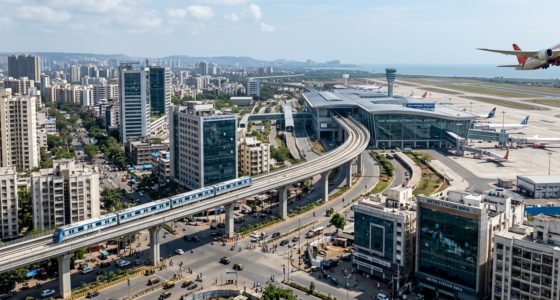
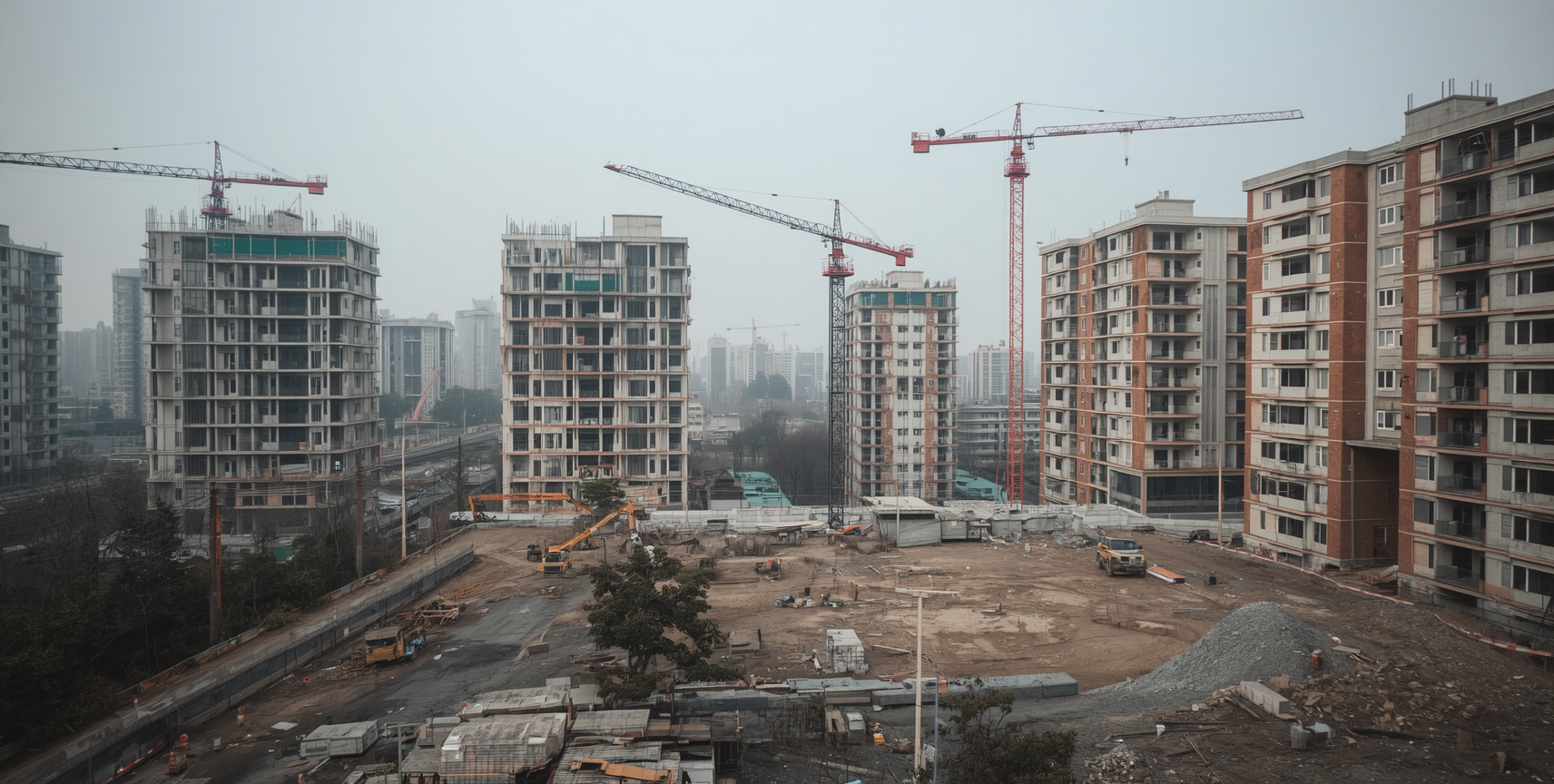
The guidelines apply to a wide range of public works including roads, highways, bridges, railways, airports, irrigation projects, water supply schemes, drainage systems, and government buildings.
The government has also directed departments to ensure that all proposals align with the long-term vision outlined in the “Developed Maharashtra 2047” document.
Impact on the Common Man
For citizens, the decision could bring mixed but largely positive outcomes. On one hand, stricter financial checks may slow down the announcement of new projects, especially in sectors like housing, roads, and urban infrastructure. This could delay some local development works.
On the other hand, the policy is expected to improve execution quality. By preventing over-commitment of funds, the government aims to complete ongoing projects faster and avoid cost escalations that ultimately burden taxpayers.
In practical terms, this could mean fewer stalled infrastructure projects, better road quality, more timely completion of government housing schemes, and improved delivery of basic services like water supply and drainage.
Experts say the move signals a shift from “announcement-driven governance” to “execution-focused governance,” which could enhance long-term infrastructure reliability across the state.
The resolution has been issued with concurrence from the Finance Department and is now in effect across all administrative departments.
Also Read: Maharashtra Forms Panel to Explore Housing Options for Mumbai Mill Workers After Fresh Push